
|
|
|
|
|
| June 30, 2026 |
|
Trump surges troops to Middle East ahead of Iran ceasefire deadline 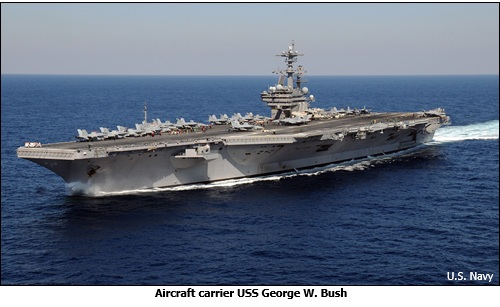
President Donald Trump has ordered a significant buildup of U.S. forces across the Middle East as Washington and Tehran edge toward the expiration of a fragile two week ceasefire, according to a Washington Post report citing U.S. officials.
The surge comes as U.S. officials and Iranian representatives continue to exchange messages through Pakistani mediators, but no formal agreement to extend the truce has yet been reached. A U.S. official told Axios that Washington “has not formally agreed to an extension,” even as diplomatic engagement continues. Why it matters The deployment would significantly expand the U.S. presence at a moment of heightened tension, adding amphibious, aviation, and rapid response capabilities to the growing naval force already operating near Iran. The troop surge signaled Washington’s intent to enforce maritime pressure on Tehran while parallel diplomatic efforts sought to restart direct or mediated talks, raising the stakes for regional security and global energy markets. What to know The Pentagon ordered thousands more personnel to the region, including sailors and Marines, as part of a larger effort to pressure Tehran into a deal that could end the current fighting, while also preparing for potential additional strikes or ground operations if a fragile ceasefire did not hold, The Washington Post reported. About 6,000 U.S. service members aboard the aircraft carrier USS George H.W. Bush and its escorting warships are moving into the Middle East as part of a broader military buildup, with another 4,200 troops with the Boxer Amphibious Ready Group and the Marine Corps’ 11th Marine Expeditionary Unit are expected to arrive near the end of the month, according to the report. U.S. officials describe the deployments as precautionary, aimed at reinforcing the blockade around Iranian ports and ensuring the Pentagon can respond quickly if the ceasefire collapses. Iran’s armed forces warned they could block shipping in the Persian Gulf, the Sea of Oman and the Red Sea if the U.S. blockade continued and threatened Iranian ships, NBC News reported. Commercial shipping through the Strait of Hormuz remains disrupted, contributing to rising oil prices and growing concern among Gulf states. The ceasefire remains fragile following 21 hours of talks in Islamabad over the weekend led by Vice President JD Vance. What happens next The ceasefire deadline is approaching, and U.S. officials say the additional forces will be in place before it expires. If negotiations fail, the Pentagon expects increased Iranian military activity, including potential attempts to break the blockade or test U.S. positions. Diplomats warn that even a minor incident could trigger a rapid escalation. If talks succeed, the expanded U.S. presence may remain in place as leverage while a longer term arrangement is negotiated. In-person U.S.-Iran talks could resume as early as this week, and messages have been exchanged via Pakistan, NBC News reported. (Source: Newsweek) Story Date: April 16, 2026
|
    |
