
|
|
|
|
|
| June 30, 2026 |
|
Israel to hold positions in Lebanon through 10 day ceasefire; U.S. signals readiness to strike Iran’s energy sector if talks fail 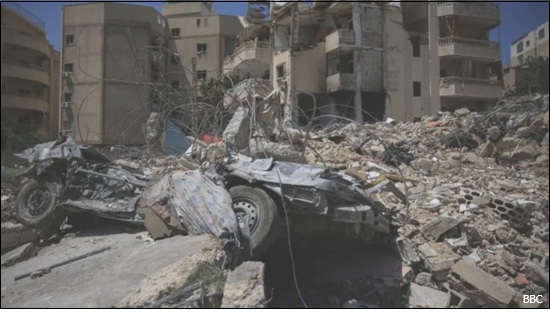
Israeli Prime Minister Benjamin Netanyahu said Thursday that Israeli troops will remain in their positions across southern Lebanon throughout the 10 day ceasefire, insisting the military will hold an expanded buffer zone despite the pause in fighting.
In a video statement released shortly after President Donald Trump announced the truce, Netanyahu said Israel would stay inside a 10 kilometer security zone designed to prevent infiltration and anti tank missile attacks. He described the area as larger and more fortified than the zone Israel maintained after the November 2024 ceasefire. Esmail Baghaei, the spokesman for Iran’s Foreign Ministry, welcomed the newly announced ceasefire in Lebanon, saying the 10 day pause was consistent with the broader U.S.–Iran agreement brokered by Pakistan, according to Iranian state media. U.S. signals readiness to strike Iran’s energy sector if talks fail U.S. Defense Secretary Pete Hegseth said Thursday that the ongoing naval blockade of Iran represents the “polite” phase of U.S. pressure, warning that American forces are prepared to strike Iran’s power plants and energy sector if ordered. Standing alongside senior military leaders at the Pentagon, Hegseth said Tehran must “choose wisely” as it heads into potential negotiations with Washington. The blockade, which began Monday, has already forced 14 ships to turn back, part of an operation involving dozens of U.S. warships, aircraft, and roughly 10,000 personnel. The Trump administration has framed the effort as a way to compel Iran to accept U.S. terms for ending the war, including reopening the Strait of Hormuz, a chokepoint for nearly one fifth of global oil and gas exports. A new Navy advisory broadened the blockade to include cargo deemed contraband, stating that vessels “regardless of location” may be subject to visit, search, and seizure. Items listed include weapons, nuclear materials, crude and refined oil products, and industrial metals. Sources familiar with Tehran’s position told Reuters that Iran has floated a proposal allowing ships to transit safely through the Omani side of the Strait of Hormuz if a broader agreement is reached to prevent renewed conflict. Gasoline now averages about $4.10 per gallon, more than a dollar higher than before the conflict began, raising the risk of worsening inflation, slower growth, and rising unemployment. Economists say the U.S. economy is at a crossroads, with its trajectory hinging on whether Washington and Tehran can reach a lasting peace. The war, which President Trump once predicted would be brief, is now stalled under a fragile cease-fire. Iran dismisses impact of U.S. blockade as talks loom After decades of sanctions and years of severe economic pressure, Iran is signaling that the newly imposed U.S. blockade of the Strait of Hormuz is unlikely to dramatically alter daily life inside the country. Analysts note that Iran has long adapted to restrictions by diversifying how it sells oil abroad — including rebranding shipments and expanding smuggling networks to move crude beyond its borders. For that reason, experts say Washington may struggle to exert additional leverage. “It’s already living in the heat,” one observer said, pointing to Iran’s entrenched economic crisis, marked by inflation, currency instability, and chronic unemployment. Tehran, meanwhile, is entering the next round of negotiations with little optimism. Iranian officials accuse the United States of sending mixed signals and argue that Israel is actively working to undermine the diplomatic process. With the war’s economic toll deepening and the cease-fire timeline tightening, Iran’s leadership appears braced for a difficult and uncertain path ahead. (Source: Newsweek) Story Date: April 17, 2026
|
    |
