
|
|
|
|
|
| June 30, 2026 |
|
U.S. asks for help with opening Strait of Hormuz while Trump attacks allies 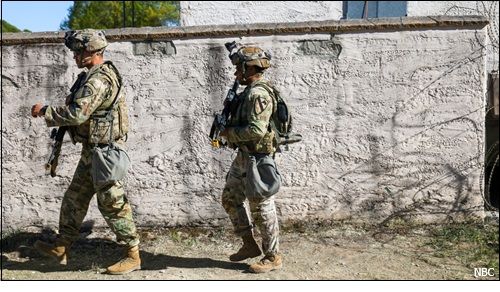
After President Donald Trump suggested the U.S. needed no assistance in reopening the Strait of Hormuz, the administration has launched a new effort to get allies to help move ships through the critical passageway blocked by Iran.
According to an internal memo seen by NBC News, the State Department is seeking to create a new coalition called the “Maritime Freedom Construct.” The coalition would be a joint initiative with the Pentagon to share information among partners for safe transit through the strait, and to coordinate diplomatic and economic actions against Iran, according to the memo sent to all U.S. diplomatic posts. The effort is the latest attempt by the Trump administration to wrest control of the strait from Iran as global energy prices soar, diplomatic efforts stall and the standoff over the future of the strait continues with no foreseeable end. Iran began blocking ships from entering the Strait of Hormuz shortly after U.S. and Israel began its bombing campaign on Feb. 28. After first asking for help from allies, Trump later declared the strait wasn’t his problem and U.S. allies would have to figure out access themselves. Since then, energy prices have spiked to a four-year high and Trump’s approval rating has slid, according to a recent NBC News poll. There’s not much incentive to join the international coalition floated by the U.S.; the war caught many U.S. allies unaware and they have been unwilling to engage in it. The president has increasingly attacked and berated NATO allies, vowing again to reassess membership in the trans-Atlantic alliance over its resistance to the conflict. Just this week, Trump threatened to pull U.S. troops from Germany, following Chancellor Friedrich Merz's comments that “the Americans obviously have no strategy.” The U.S. is withdrawing approximately 5,000 troops from Germany, Pentagon officials said Friday, after President Trump was angered by criticism from the German chancellor over the war with Iran. The move would include one brigade combat team as well as other forces inside Germany, the officials said. Germany hosts approximately 35,000 U.S. troops, the largest number of any country in Europe, including critical training, logistics and medical support. Tens of thousands more American civilians work alongside U.S. troops in Germany. And on Thursday evening, Trump suggested he also would pull troops from Italy and Spain. Trump says he doesn't need congressional authorization for military operations in Iran, citing ceasefire President Trump on Friday sent letters to Congress explaining that, due to the ceasefire, he doesn't need its authorization for military operations in Iran, even though the conflict hit the 60-day mark this week. "On April 7, 2026, I ordered a two-week ceasefire. The ceasefire has since been extended. There has been no exchange of fire between the United States Forces and Iran since April 7, 2026. The hostilities that began on February 28, 2026, have terminated," Trump wrote in the letters, one of which went to the House and one of which went to the Senate. The letters come as congressional leaders this week faced mounting questions about whether they planned to schedule votes on a formal war authorization from Congress. The 1973 War Powers Resolution directs the president to seek authorization for war from Congress after an ongoing military conflict hits the 60-day threshold. The law allows for a president to seek a 30-day extension if necessary to safely remove troops from the region, but Trump did not mention that in his letter. The U.S. military strikes on Iran officially began on Feb. 28, but the Trump administration notified Congress of the conflict on March 2, starting the 60-day clock then. On Thursday, House Speaker Mike Johnson, R-La., argued that Congress wouldn't have to formally weigh in on the military conflict with Iran, telling NBC News, "we're not at war." Later Thursday, in a hearing before the Senate Armed Services Committee, Defense Secretary Pete Hegseth also dismissed the 60-day threshold, telling lawmakers, "I would defer to the White House and White House counsel on that. However, we are in a ceasefire right now, which, our understanding, means the 60-day clock pauses or stops in a ceasefire." (Source: NBC News) Story Date: May 3, 2026
|
    |
