
|
|
|
|
|
| June 30, 2026 |
|
Los Angeles-area wildfires left lead in soil, but how much and where remains contentious 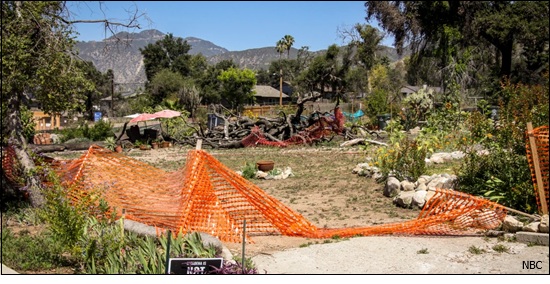
After testing soil from about 1% of the homes burned down in the Eaton Fire, the U.S. Environmental Protection Agency said residents should feel assured that most properties cleared by the U.S. Army Corps of Engineers don’t have hazardous amounts of lead. At least one outside scientist is skeptical.
The Eaton Fire destroyed 9,400 homes and structures in the Altadena area in January 2025 and sent smoke containing lead, arsenic and asbestos into the air and to settle nearby. Lead is a potent neurotoxin associated with developmental problems in children. The EPA tested 100 homes selected at random from the debris cleanup zone and found that only five lots exceeded EPA screening standards for lead, according to a report the EPA provided to NBC News. Seventeen lots exceeded California’s more stringent standards. Overall, the median concentration of lead across all of the properties was well below state and federal levels of concern, according to an EPA news release published Tuesday. “That should really give residents confidence that the work that the Army Corps did addressed the fire-related contaminants, particularly lead,” said Michael Montgomery, director of the EPA Region 9 Superfund and Emergency Management Division, which conducted the testing. “The Army Corps did remove ash and debris and the soil beneath that ash and debris to an adequate level.” Montgomery said the agency believes the results can be applied across the burn zone. “We can say with 95% confidence that the homes that were addressed, or that burn areas that were addressed in Altadena and Pasadena, were below both the California and the federal screening level,” he said. Contamination — and fears of it — have taken hold in Altadena, where many lots were covered in soot, ash and char from the Eaton Fire. Altadena has older houses built before lead was phased out of building supplies like pipes and paint. The Army Corps removed debris on about two-thirds of homes that burned down, but the agency did not perform soil testing before and after the cleanup, leaving residents unsure about potential risks. Because soil testing was not a cleanup requirement, academic scientists, consultants for the Los Angeles County Department of Public Health and private groups have been testing soil in the area. Results were scattered, with many prompting concern. Andrew Whelton, a professor of civil, environmental and ecological engineering at Purdue University in Indiana, said that the EPA analysis was not definitive and that the agency used methods that are designed to assess average risk, but don’t pinpoint particularly hazardous areas. “The results they have are not representative of the Eaton Fire area,” Whelton said. “They were collected in a way that cannot be compared to existing data other organizations are collecting or to what Californians or California businesses have come to expect for property safety.” The debris removal process — in which the Army Corps cleaned up debris and scraped up to 6 inches of soil away — has been under scrutiny since it started in 2025. Recently, two whistleblowers told NBC News the cleanup was inconsistent and rushed. One said workers left behind more debris than during previous wildfires. Both said they worried residents would continue to deal with contamination problems. (Source: NBC News) Story Date: May 21, 2026
|
    |
