
|
|
|
|
|
| October 15, 2026 |
|
G-7 agrees to release oil reserves to reduce fuel prices after US pressure 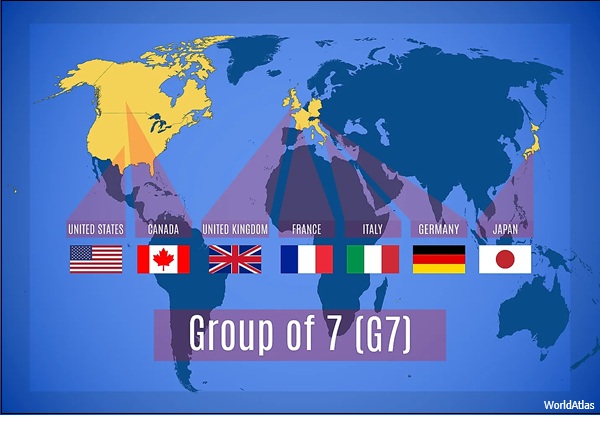
The world’s wealthiest countries announced Friday that they would release 100 million barrels of diesel, gasoline and crude oil from their emergency reserves over the next four months, in an effort to ease crushing prices around the world.
The move by the Group of 7 nations followed Trump administration threats that the United States would ban exports of its diesel fuel. Such a ban threatened to create chaos in global markets and send costs surging further, especially in Europe, where motorists and businesses are already struggling with expensive fuel. As part of Friday’s agreement, the diesel that will flow into the market will come from European stocks. The deal involves a “front-loaded substantial diesel release within the first 20 days.” That could ease prices some. Diesel and oil futures dipped on news of the announcement. But it was not immediately clear how much relief drivers would see. About 28 million barrels of diesel are consumed around the world every day. The addition of a few dozen million barrels of the fuel over four months creates only a measured increase in the global supply. “This is a short-term bandage for a wound that is still wide open,” said Brett Erickson, a risk advisory consultant who closely monitors oil and gas markets. As the Trump administration contemplated an export ban in recent weeks, top executives from the country’s largest oil companies aggressively lobbied the White House against it, according to industry officials. They warned a ban could do the opposite of what the administration intended and send prices shooting upward domestically. The executives pushed the administration to shift its focus toward Europe, where they said reserves in France, Germany and Italy could be used to ease prices. Those stockpiles were discussed between U.S. Trade Representative Jamieson Greer and his European counterparts on the sidelines of the Group of 20 trade ministerial in Milwaukee this week. “There’s an eagerness on both sides to work together to get more diesel to the market,” Greer told reporters during the meetings. “We just want to make sure that American workers and farmers are getting the diesel they need at a price that they can manage, and part of it is getting those supplies to market.” But market analysts were cautious in their assessment of Friday’s agreement. They said it was unclear how much of the fuel Europe is releasing is part of a commitment it made months ago, when global leaders vowed to dip into reserves to address the energy crunch. The impact on markets, Pavel Molchanov, an investment strategy analyst at Raymond James, said in an email, “was lessened by lack of clarity on an important question: will the 100 million be in addition to the 400 million already pledged by the [International Energy Agency’s] 32 members, or is this the final portion of the existing pledge?” U.S. diesel prices hit record highs in September and on Friday averaged $6.37 per gallon nationwide. The high prices are the result of the wars in the Middle East and Eastern Europe, which have badly damaged refining infrastructure and disrupted fuel shipments. (Source: The Washington Post) Story Date: October 5, 2026
|
    |
