
|
|
|
|
|
| November 12, 2026 |
|
DST or not: Implications of time change 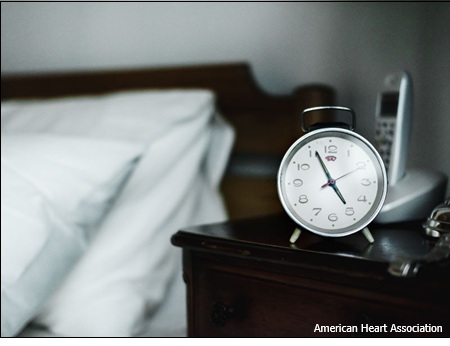
It’s trick-or-treat for many this weekend as Halloween segues into Pacific Standard Time.
Daylight saving time (DST) ends on the first Sunday in November, according to Time and Date, an online world clock. At 2 a.m. Sunday, Nov. 1, clocks in California and other states will move back by one hour. The time disruption can disrupt the body’s biology, so the immune system or metabolism might not work as well, according to reporting by PBS. On the other hand, the American Heart Association shows a reduction or neutral effect on heart attacks when the clock is turned back. One 2014 study by the American College of Cardiology showed a 21% drop on the Tuesday after the fall time change. Although the time change is less stressful to the body in the fall, the disruption still has an impact. How does the end of daylight saving time affect my sleep? Dr. Michael Breus, clinical sleep specialist and founder of SleepDoctor.com, compared the twice-annual time shifts to jet lag. The American Heart Association said body clock disruptions carry an increased risk of obesity, among other medical issues. The timing of when a person sleeps, eats and gets exercise can affect metabolic health beyond just calories: “Eating late at night or having irregular mealtimes can misalign the circadian clocks found in organs like the liver and pancreas, contributing to blood sugar spikes or dips and weight gain,” the Association said in an online statement. Story Date: November 4, 2026
|
    |
