
|
|
|
|
|
| November 12, 2026 |
|
Oil rises after report of US strike on Iran’s Qeshm Island 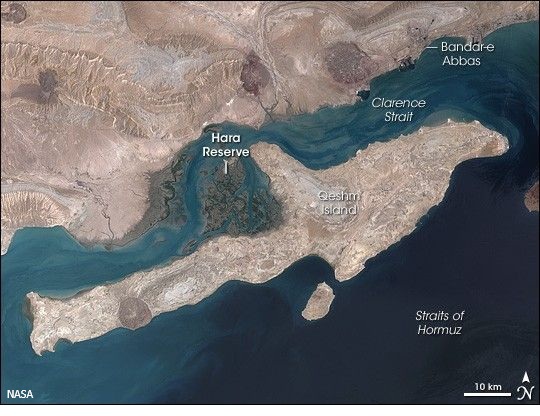
Oil prices rose on Tuesday after a report that the United States had struck Iran’s Qeshm Island, raising concerns about an escalation of the eight-month conflict and prolonged disruptions to Middle East oil supplies.
Brent crude futures rose 0.33% to $105.12 a barrel while US West Texas Intermediate crude was up 0.89% at $97.32 a barrel. Brent crude futures settled $8.66, or 7.63%, lower to $104.77 a barrel on Monday. The US-Iran conflict began in late February has sharply reduced traffic through the Strait of Hormuz, which previously carried about a fifth of global crude oil and natural gas supplies. The Iran war is a leading cause of high gasoline prices that are weighing on voters, and Trump is under pressure to end the conflict. Brent ended October at its highest in six months on concerns that the Middle East conflict could escalate again after Tuesday’s US midterm elections. (Source CNBC) The ?US launched limited strikes on Iran’s Qeshm Island late on Monday, hours after the vice-president, JD Vance, said he was optimistic that diplomatic efforts to end the war were moving in the right direction. The strikes, disclosed by Iranians on social media and confirmed by US Central Command (CENTCOM), came on the eve of crucial midterm election. Diplomatic mediators believe it will be clear within two days whether the basis for continued indirect talks between the US and Iran exists. The US described the strikes as defensive in nature, aimed at missile batteries from which Iranian attacks on US planes had been mounted the day before. Inside Iran, blame was initially placed on Israel, but later it was conceded that the US was responsible. Israel itself insisted it had no role in the attacks. Similar military exchanges have happened at least three times since the cessation of major hostilities, as the US and Iran jostle for control of the strait. Iran’s deputy foreign minister, Kazem Gharibabadi, referring to the overnight US strikes, said: “We are still in a state of war. The aggression against Iran has not ended in our view, and until the military aggression is completely and permanently terminated Iran has the right to legitimate defense.” He added Iran was not waiting for the results from the midterms to adjust its negotiating position, saying: “We do not tie our foreign policies to the elections of other countries.” Chief negotiator Mohammad Ghalibaf made no direct mention of the attacks during an address to parliament, but said any miscalculation by the US would lead to an unpredictable Iranian response. In common with other Iranian leaders, he suggested the attacks would extend to US bases in Europe. Maps of NATO bases in Europe have appeared on the front page of the more conservative newspapers, implying they will be targets in any war. (Source: The Guardian) Story Date: November 4, 2026
|
    |
